
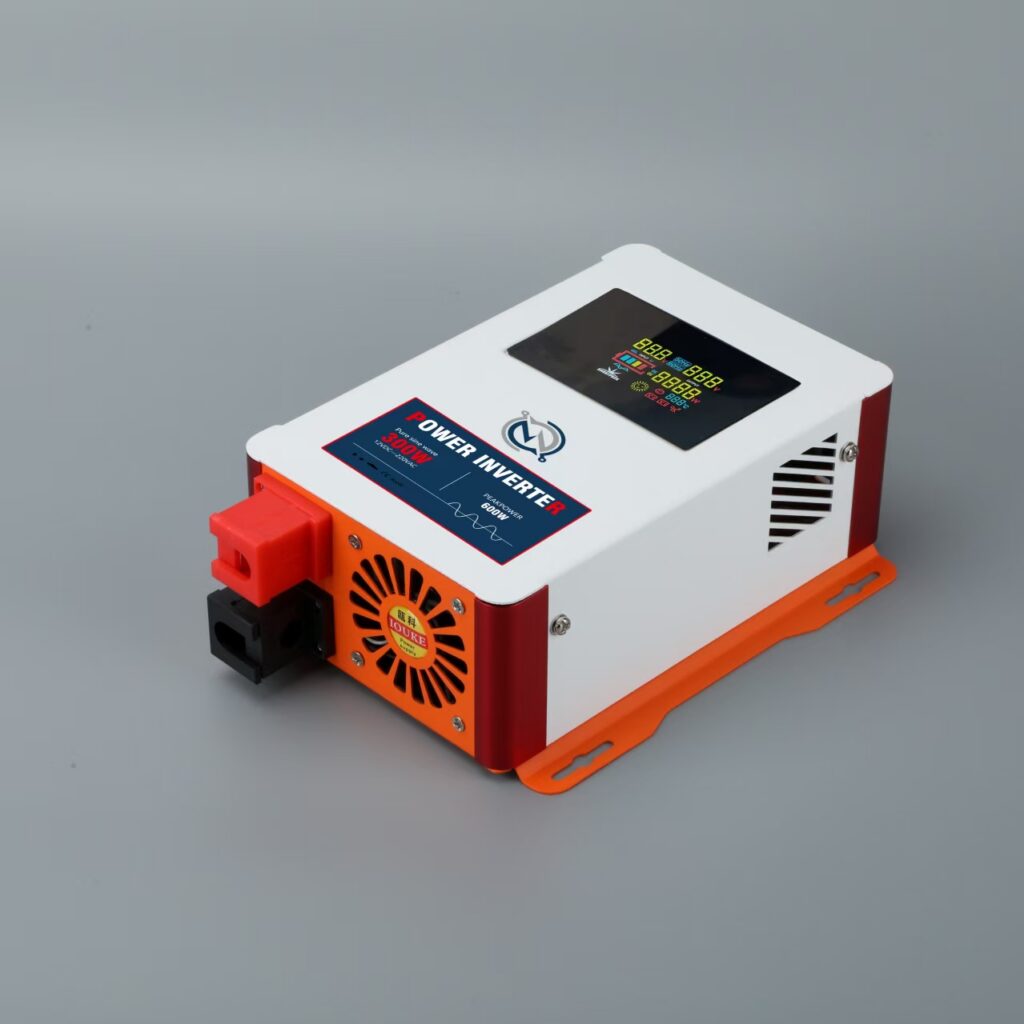
An inverter quotation should state rated power and peak power in separate, defined fields, with the conditions and supporting information that apply to each. Do not compare two offers using the largest number visible in a product photograph. Yuannibian Power’s official inverter image displays separate power labels, while the page uses a general product description. That makes a version-specific request essential: ask the supplier what each quoted figure means, which exact inverter it describes and what documents support the proposed offer.
Ask what each rating means in this offer
Use neutral field names in the enquiry and ask the supplier to explain its terminology. If it uses rated, continuous, peak or surge wording, request a definition rather than treating the words as interchangeable. Ask which figure is being used as the commercial model identifier and which figures describe declared operating conditions. The purchasing task is to obtain an interpretable supplier statement. It is not to infer that a device can support a particular appliance, battery or installation from the name of its product category.
For any short-duration rating, request the declared duration, conditions and limitations. For any sustained rating, ask which conditions the supplier associates with that figure. Keep the answers attached to the quotation rather than relying on a separate unlabelled brochure. Do not assume a fixed relationship between the two numbers or calculate an unsupported capability from their ratio. If an offer contains only one power figure, ask the supplier whether it represents its rated field, peak field or another commercial description before comparing the offer with alternatives.
Bind the figures to one electrical version
Request the manufacturer’s model identifier and a version-specific datasheet. Ask the supplier to identify the declared input and output configuration, frequency field and outlet version as applicable to that offer. These are confirmation requests, not values to copy from a similar product image. A catalogue may show several products with the same general name, while the quoted electrical versions differ. Record the exact identifier on the quotation, datasheet and proposed sample reference so the power fields are not detached from the unit they describe.
Ask for a readable proposed nameplate image and compare its identifiers with the datasheet and quotation. A photograph can show what a label says, but it does not independently verify a rating or a certification mark. Where evidence is relevant to the buying decision, request documents that identify the same version and explain their scope. If there is a mismatch, ask the supplier to reconcile it in writing. Do not resolve an unclear version by selecting whichever number looks most favourable for the commercial comparison.
A quotation table for rating clarity
Quotation field | Buyer request | Supplier response to obtain
Version identity | Exact model and revision | Same identifier on quote and datasheet
Rated power | Separate named field with units | Definition and declared conditions
Peak power | Separate named field with units | Definition, duration and limitations
Electrical configuration | Request version-specific fields | Declared configuration for this offer
Evidence reference | Ask for supporting documents | Document identity and applicable scope
Sample identity | Require a traceable proposed unit | Nameplate and sample-version reference
Use this table when collecting offers for different distribution markets. An importer supplying UK customers and one supplying EU customers may need different commercial configurations or documentation packages. Neither market name should be used as a shortcut for a particular electrical version or a compliance conclusion. State the intended destination and application requirements for the supplier and the responsible technical reviewers to assess. Ask the supplier to flag any change in rating definitions, evidence scope or product configuration between the alternatives it proposes.
Keep evidence and application decisions separate
The official page contains general statements about waveform, efficiency and protective functions. Those statements do not replace version-specific data or establish that a proposed unit meets your own application requirements. Request the information needed for a competent technical assessment and identify unresolved fields before placing an order. A buying article or an attractive product photograph cannot validate an electrical system design. Keep supplier document review separate from installation, connection or energized testing, which are outside the quotation-comparison task described here.
Before accepting the commercial specification, check that the final quotation uses the agreed rating field names and refers to the correct datasheet revision. If the supplier substitutes another version, request an updated comparison rather than carrying the old figures forward automatically. For a repeat purchase, provide the accepted identifiers and ask whether the declarations remain unchanged. Pricing, minimum quantities, accessories, timing and availability should be confirmed for that version. No current commercial or application guarantee follows simply from a product being listed online.
FAQ
Can the largest photographed power number be used alone?
No useful comparison should depend on an undefined number. Ask whether it is a rated, peak or other field, and request its conditions and version reference. Keep each declared figure visible in its own field rather than promoting one number as a complete product specification.
Does peak power establish appliance compatibility?
Not by itself. Compatibility requires an assessment of the exact product and application requirements using appropriate technical information. Request the supplier’s relevant declarations and evidence, and leave any application conclusion to the responsible technical review rather than inferring it from a peak label.
Should a label mark be treated as certification proof?
A photographed mark shows label artwork, not the scope or validity of supporting documentation. Request the relevant documents for the exact offered version and assess their applicability separately. Do not describe a catalogue image as independent certification verification.
What belongs in the first rating enquiry?
Send the official product reference, intended destination, the rating fields you need clarified and your requested quantity. Ask for the exact offered model, datasheet, proposed nameplate and an explanation of missing fields. Keep unconfirmed electrical values and commercial terms as supplier questions.
Product reference and enquiries
Product reference: https://ynbpower.com/product/pure-sine-wave-inverter-85/
Catalogue source: https://ynbpower.com/
Contact Yuannibian Power: https://ynbpower.com/contact/
More buyer articles: https://ynbpower.com/blog/